Garden drainage in Deptford
If you are dealing with puddles, soggy turf, waterlogged borders, or a garden that stays wet long after the rain has passed, you are not alone. Garden drainage in Deptford is a common need for homeowners, landlords, tenants, and commercial property managers who want their outdoor spaces to work properly all year round. In an area where property styles vary from Victorian terraces and converted flats to modern developments and compact courtyard gardens, drainage issues can show up in many different ways. A garden that looks fine in dry weather can quickly become unusable once heavy rain arrives, especially where clay soil, limited fall, blocked gullies, or previous paving work have affected the ground.
Good drainage does more than remove surface water. It helps protect planting, reduce slippery paths, keep patios usable, limit damp affecting nearby structures, and make maintenance easier. For many Deptford properties, especially those with smaller rear gardens, shared access, side return spaces, or older landscaping, a proper drainage solution can make a noticeable difference straight away. Whether you need help with standing water, soggy lawn areas, a problem near a shed or extension, or a full redesign of how water moves through the space, a local service should focus on practical results that suit the property and the way you use it.
We provide garden drainage solutions tailored to Deptford homes and businesses, with an emphasis on sensible diagnosis, clean installation, and work that fits around local access constraints. From simple soakaway improvements to French drains, channel drainage, land drains, permeable surfacing support, and garden regrading, the right approach depends on what is causing the issue and how the space is built. If you are looking for a reliable, local team to assess the problem and suggest the best fix, contact us today to discuss your garden drainage needs.
Why garden drainage matters in Deptford

Deptford has a mix of older housing stock, infill developments, and compact outside spaces, and that variety means water problems are rarely identical from one property to the next. Some gardens suffer from heavy foot traffic and compacted soil. Others have been altered over time with patios, decking, sheds, or extensions that changed the natural movement of rainwater. In terraced streets and dense residential pockets, there may be little room for water to disperse naturally, which makes controlled drainage even more important. A well-planned system can reduce the risk of pooled water after downpours and make the garden more usable for day-to-day life.
In practical terms, drainage problems are often noticed first in the places people use most. A lawn may turn muddy and unsafe. A path may become slick and hazardous. Raised beds may stay saturated and damage roots. Water may sit against boundary walls, garden rooms, or the base of a fence, leading to deterioration over time. In some Deptford properties, particularly where previous landscaping work has been done without enough consideration for runoff, the issue is not just excess water but the direction it takes once it lands. This is why a proper site assessment matters before any work begins.
It is also worth remembering that a drainage issue can affect more than comfort. Persistent water can shorten the life of surfaces, create unpleasant smells in stagnant areas, attract moss and algae, and make regular gardening jobs harder than they should be. For landlords and commercial property owners, these issues can affect how tenants, customers, or staff use the space. Investing in garden drainage in Deptford is often about protecting the wider condition of the property as much as improving the garden itself.
Common drainage problems we see in local gardens

Many customers first contact us because they notice puddles that take hours or even days to clear. This is especially common in gardens with compacted soil, poor fall, or surface finishes that do not allow water to soak away naturally. If the ground stays wet underfoot, if lawn edges are squelchy, or if rainwater seems to collect in one section every time it showers, the garden is signalling that something in the drainage arrangement needs attention. The problem may be localised or spread across the whole space.
Another common issue is runoff from hard landscaping. Patios, driveways, paths, and paved yard spaces can shed a surprising amount of water into the garden if they have no channels, gullies, or suitable falls. In some Deptford homes, this is made worse where garden levels were changed during previous works or where adjacent surfaces now direct water toward the least suitable area. Even a small slope can be enough to push water toward a doorway, an outbuilding, or a central lawn. That is why the solution is often a mixture of surface drainage and ground-level improvements rather than a single fix.
Root obstruction, blocked outlets, and old or damaged drainage runs are also worth checking. In established gardens, tree roots and shifting ground can interfere with underground pipes or soakaways. In more tightly built-up properties, access to existing systems may be limited, so the job needs careful planning and tidy execution. Garden drainage in Deptford is not just about moving water away; it is about identifying the reason the water is staying put and putting in a solution that suits the site long term.
Our approach to garden drainage in Deptford
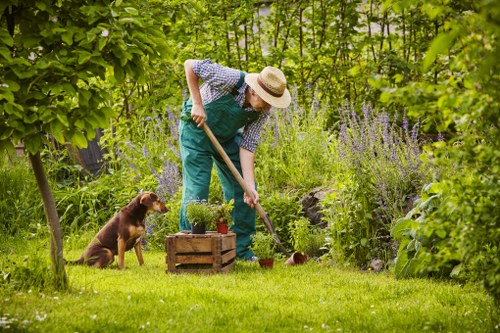
Every successful drainage project starts with understanding the layout of the garden and how water behaves there after rain. We look at the soil condition, the gradient, nearby structures, existing paving, outlet options, and any signs of saturation or erosion. That allows us to recommend the most appropriate method rather than applying a one-size-fits-all solution. A good outcome depends on matching the system to the property, whether that means improving soil permeability, creating new channels for runoff, or helping water disperse more effectively underground.
Depending on the site, possible solutions may include French drains, land drains, gravel trenches, soakaways, gully installation, channel drainage, and regrading of the garden surface. In some cases, we may also advise on raising or lowering certain areas to improve the direction of flow. Where hard landscaping is part of the problem, we can integrate drainage features into patios, edging, and paved paths so the result is practical as well as neat. The goal is to create a system that manages water without turning the garden into a construction site.
We also pay attention to access and disruption, because many Deptford gardens are not straightforward to work in. Narrow side passages, shared entrances, limited parking, and compact rear access can affect how materials and equipment are brought in. A local team that understands these constraints can plan the job more efficiently and keep disruption down for neighbours and occupants. If your garden is difficult to access, that does not mean drainage work is out of reach; it just means the approach needs to be sensible, careful, and realistic.
What is included in a drainage service
When customers ask what a drainage service involves, the answer depends on the problem and the chosen solution. In general, a professional visit should begin with a site review and discussion about where the water appears, how long it remains, and whether the issue has worsened over time. From there, the work can be planned around the specific condition of the garden. This may involve lifting sections of turf or paving, excavating trenches, improving the sub-base, adding pipework, or creating a route for runoff to disperse more effectively.
A typical service may include one or more of the following:
- Site assessment of the affected area
- Identification of low points and water flow patterns
- Excavation for drains, channels, or soakaway systems
- Installation of suitable drainage materials
- Improvement of soil structure where needed
- Reinstatement of turf, gravel, paving, or soil finishes
- Advice on maintenance and keeping the system clear
In some gardens, the best result comes from combining measures rather than relying on a single feature. For example, a saturated lawn may need both better underground drainage and a small level adjustment to stop water collecting in one corner. In other cases, the fix may be as simple as diverting roof runoff or clearing an existing route that has been blocked by debris. The point is to make the garden function properly again, while keeping the work proportionate to the problem.
How the process works
Most customers want to know what to expect before booking a visit, especially if they are managing a busy household, tenancy, or business premises. The process usually starts with an initial enquiry and a discussion about the symptoms you have noticed. We may ask about where the water gathers, how long it remains, and whether there are nearby drains, downpipes, paved runs, or garden features that could be involved. The more information you can share, the easier it is to assess the likely cause and prepare the right approach.
Next comes a survey or inspection of the garden. This is where we look at levels, materials, access, and the current condition of the site. After that, we explain the practical options, including the likely scope of work and the factors that may influence cost and timing. Once the plan is agreed, the installation can begin. Depending on the size and complexity of the area, this may be a short project or a more involved piece of work requiring phased excavation and reinstatement.
After the drainage is installed, the site is left ready for use as far as the agreed scope allows, and we can also discuss ongoing care. It is often useful to know how to keep channels clear, when to check for blockages, and what signs suggest the system needs attention. A properly installed garden drainage solution should work quietly in the background, giving you a drier and more usable outdoor space without constant intervention.
Suitable drainage solutions for different Deptford property types
Deptford is home to a wide range of properties, and that diversity affects the kind of drainage solution that will work best. A Victorian terrace with a long narrow rear garden may need a very different approach from a modern apartment courtyard or a mixed-use premises with a small service yard. Understanding the setting matters because drainage is not just about the soil; it is about the way the whole property behaves when it rains. The building line, paving layout, surrounding walls, and roof water all influence the outcome.
For older homes, there can be a mixture of shallow soil, legacy hardstanding, and uneven levels caused by years of alterations. Drainage may need to be installed carefully to avoid unnecessary disturbance while still improving water movement. For newer developments, the issue may be different: compact outdoor areas, impermeable surfaces, and minimal fall can leave no natural route for water to escape. In these cases, channel drainage, soakaways, and permeable adjustments may be more appropriate. Commercial and rental properties often require solutions that are robust, low maintenance, and suitable for repeated use.
In shared or narrow-access spaces, a tidy and efficient installation becomes even more important. Materials need to be handled carefully, and the system should be designed so it remains serviceable after the work is done. A local team experienced in Deptford gardens is more likely to understand how to work around these constraints without creating unnecessary disruption for neighbouring homes or active premises. That can save time, reduce stress, and help the project run more smoothly from start to finish.
Examples of common settings
- Terraced house gardens with poor runoff after rain
- Courtyard spaces where water pools near doors or steps
- Side returns and narrow passages with limited access
- Shared rear gardens in converted buildings
- Commercial yards, access ways, and service areas
- Patio areas that shed water toward lawns or planting beds
Benefits of improving garden drainage
The most obvious benefit is a drier garden, but the value goes beyond that. Better drainage can make the space safer to walk on, easier to maintain, and more enjoyable to use throughout the year. If you have children, pets, or frequent visitors, reducing mud and slippery surfaces can make a noticeable day-to-day difference. For people who enjoy planting, improved drainage can also support healthier root conditions by preventing waterlogging around vulnerable areas.
There is also a practical maintenance benefit. A garden that drains well is easier to mow, weed, edge, and keep tidy. Surfaces are less likely to remain green with algae or moss, and nearby structures are less likely to suffer from prolonged moisture exposure. In the long run, the right solution can help protect fences, paving edges, steps, and other landscaping elements from avoidable wear. That is especially useful if you have already invested in a garden makeover and want to keep it looking good.
For landlords, letting agents, and commercial property owners, drainage can contribute to presenting the property in a better state for occupiers and visitors. While every site is different, well-managed water flow often supports better upkeep and reduces complaints linked to unusable outside space. If you want a garden that is easier to live with rather than constantly battling surface water, improving drainage is one of the most effective steps you can take.
What affects pricing and project scope
Customers often ask what influences the cost of garden drainage work. The main factors are usually the size of the area, the depth of excavation needed, the type of drainage system required, the condition of existing surfaces, and how easy the site is to access. A small, straightforward trench drain in a compact garden will naturally differ from a larger system that needs soil removal, new pipework, and full reinstatement of paving or turf. The amount of labour and materials involved has a direct impact on the scope of the job.
Ground conditions also matter. Soft soil, heavy clay, buried debris, existing roots, and uneven levels can all affect how the work is carried out. If the site is difficult to reach, materials may need to be moved by hand rather than machine, which can change the time required. Where the issue is linked to other features, such as downpipes, paved falls, or retaining edges, the solution may need to include additional works to address the root cause rather than just the visible pooling.
Because of these variables, it is usually best to request a tailored quote after an inspection. That way, the recommendation is based on the actual garden rather than assumptions. A clear, site-specific proposal helps you understand what is included, what options are available, and how the work will be carried out. If you are comparing providers for garden drainage in Deptford, look for a company that explains the problem plainly and offers a practical fix rather than a rushed answer.
How to prepare your garden for drainage work
A little preparation can make the job easier and help reduce delays on the day. If you are planning drainage work, it helps to clear the affected area as much as possible and make sure any fragile items are moved away from the work zone. You do not usually need to empty the entire garden, but removing planters, furniture, toys, tools, and loose accessories from the immediate area is often helpful. This gives the team easier access and helps protect your belongings.
It is also useful to think about access. In Deptford, parking and loading space may be limited, and rear access can be narrow or shared. If there are gates, side passages, locked communal entries, or restrictions on where materials can be brought in, let the provider know in advance. That way, they can plan the route and equipment accordingly. If the drainage problem is linked to a particular rainfall pattern, take photos after wet weather if possible, as they can help show where the water collects and how severe the issue is.
You may also want to discuss any nearby features that matter to you, such as planting beds, lawn areas, sheds, or decorative paving that you would like to preserve. A good installer will consider these details when deciding the best approach. The aim is not just to solve the drainage problem, but to do it in a way that respects how you use the garden and what you want to keep.
Why choose a local Deptford company
Using a local company for drainage work brings practical advantages. A team that regularly works in Deptford is more likely to understand the layouts, access patterns, and common issues found in local gardens. They will also be more familiar with the kinds of properties that dominate nearby streets and the constraints that come with them. That local familiarity can save time during assessment and help ensure the proposed solution fits the real conditions on site.
Local knowledge is especially useful where access is awkward. In many parts of Deptford, parking is tight, streets are busy, and garden entrances are not designed for large-scale work. A provider with local experience can plan around those realities more effectively and avoid unnecessary disruption. This is valuable for homeowners, landlords, and businesses alike because it keeps the project manageable and helps the work move forward efficiently.
There is also reassurance in choosing a service that focuses on the area rather than treating it as a one-size-fits-all postcode. Gardens in Deptford can be affected by dense neighbouring properties, older boundaries, mixed surfacing, and altered levels, so a careful, site-led approach is important. If you want drainage that suits your property rather than a generic fix, a local specialist is a sensible place to start. Book your service now if you are ready to move forward, or request a free quote to see what is possible for your garden.
Areas covered around Deptford
Garden drainage work in Deptford often extends naturally into nearby areas, especially where similar housing types and access conditions create the same kinds of issues. We commonly help customers across surrounding neighbourhoods where drainage problems are just as likely to appear in narrow urban gardens, terrace yards, and mixed-use properties. This is useful if you are comparing options for a property close to the boundary between districts or managing multiple premises in nearby locations.
Nearby areas may include parts of New Cross, Surrey Quays, Greenwich, Lewisham, Brockley, Peckham, and Rotherhithe, depending on the job and access requirements. The exact solution will always depend on the site itself, but working in adjacent local areas helps a provider stay responsive and familiar with the wider South East London housing pattern. If you are unsure whether your property is covered, simply enquire and explain the layout of the site.
For customers with more than one outdoor space, such as a front garden, rear yard, and shared access route, it can be useful to assess all drainage points together. Water often travels from one part of a property to another, and solving only one area may leave a hidden problem elsewhere. That is another reason why a local inspection is worthwhile before deciding on the best way forward.
Frequently asked questions
How do I know if my garden needs drainage work?
If puddles remain for a long time after rain, the lawn stays muddy, water collects near paths or walls, or the garden becomes slippery and difficult to use, drainage work may be needed. Signs such as plant stress, moss growth, and water staining can also point to a persistent issue.
Will drainage work damage my garden?
Some disturbance is usually part of the process, especially if excavation is required, but a careful installation should aim to limit unnecessary disruption. The exact impact depends on the chosen method and how easy it is to access the affected area.
Can you fix drainage without replacing the whole garden?
In many cases, yes. A lot of drainage problems can be addressed with targeted solutions such as land drains, channels, soakaways, or minor regrading. A full redesign is not always necessary.
What if my garden has limited access?
Limited access is common in Deptford and does not automatically prevent drainage work. It may affect how the job is planned, but a local team can often work around narrow passages, side returns, and shared entrances with the right preparation.
Is garden drainage suitable for rented or commercial properties?
Yes. Many landlords and business owners choose drainage improvements to keep outdoor areas safe, usable, and easier to maintain. The right system can help reduce standing water and make the property more presentable.
How long does the work take?
That depends on the size of the area, the condition of the ground, and the type of drainage being installed. Some jobs are straightforward, while others require more extensive excavation and reinstatement. A site visit is the best way to establish the likely timescale.
Practical reasons customers in Deptford call us
People usually get in touch because they want to stop a recurring problem rather than keep patching it. A garden that floods every winter, a patio that stays wet after rain, or a lawn that never dries properly can quickly become frustrating. You may also be thinking about selling, renting out, or improving the property and want the outside space to look and function better. In those cases, drainage work is often one of the smartest improvements to make first.
Some customers are dealing with a problem created by previous landscaping or building work. Others have just noticed that water is not moving properly in one area, and they want to address it before the issue gets worse. In a built-up area like Deptford, where outdoor spaces are valuable and often compact, a better drainage setup can significantly improve how the garden feels and how much use you get from it. That is why many local enquiries begin with a simple question: what is causing the water to stay there, and what is the best way to solve it?
If that sounds familiar, we are ready to help. From inspection to installation, our focus is on practical drainage solutions that suit Deptford properties and real customer needs. Contact us today to discuss the problem, request a free quote, or arrange a visit. The sooner the issue is assessed, the sooner you can enjoy a garden that works properly in wet weather as well as dry.
What a well-drained garden can do for you
Better drainage can make your garden easier to use, easier to maintain, and safer in wet weather. It can also support healthier planting and protect nearby surfaces from prolonged moisture. For many Deptford properties, it is one of the most effective ways to improve an outdoor space without changing its character.
Ready to take the next step?
Request a free quote if you want a tailored recommendation for your garden drainage in Deptford. Whether you are dealing with a small pooling problem or a larger waterlogging issue, a local, practical approach can help restore your outdoor space and make it work the way it should.