Health and Safety Policy for Landscaping Deptford
 Health and safety in landscaping is essential to protecting staff, clients, visitors, and members of the public. This policy sets out the standards expected across all landscaping work carried out by our team. It applies to garden maintenance, soft landscaping, planting, turfing, grounds care, clearance work, and related site activities. Every task must be planned carefully so that risks are identified early and controlled before work begins.
The purpose of this policy is to create a safe working environment where injuries, illness, and property damage are reduced as far as reasonably possible. We are committed to following good practice at every stage of a project, from preparation and transport to completion and clean-up. A safe landscape service depends on risk awareness, teamwork, and consistent supervision.
All workers are expected to take responsibility for their own safety and the safety of others. This includes reporting hazards, using equipment correctly, and following instructions. Any person working on site must understand that unsafe behaviour, shortcuts, and poor housekeeping can lead to serious incidents. The aim is to support reliable landscaping operations while maintaining high standards of care.
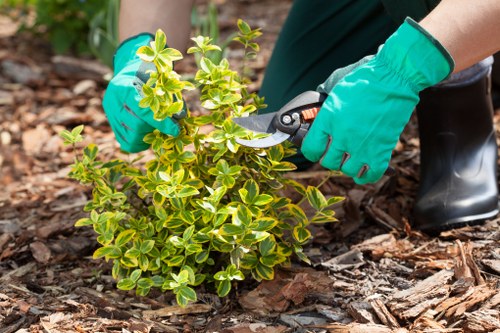 Before work starts, a suitable assessment must be completed to identify hazards such as uneven ground, hidden objects, tools, manual handling, moving vehicles, weather conditions, and exposure to chemicals or biological materials. Controls should be in place before work begins, and they must be reviewed if the site changes. Landscaping safety relies on matching the control measures to the task and the environment.
Wherever possible, work areas should be separated from public access. Barriers, warning signs, and clear work zones help reduce the chance of accidental entry into hazardous areas. Equipment should be stored securely, materials stacked safely, and pathways kept free from obstruction. Good site organisation supports a safer and more efficient working day.
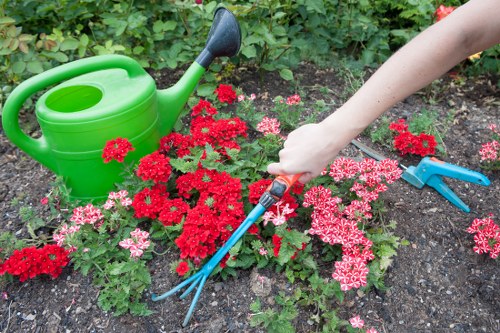 Team members must use the correct personal protective equipment for the task. This may include gloves, safety footwear, eye protection, hearing protection, high-visibility clothing, and respiratory protection where needed. PPE is the final layer of defence, not a replacement for safe systems of work. It must be maintained properly and replaced when damaged.
Tools, plant, and machinery used in landscaping must be suitable for the job and checked before use. Defective equipment should not be used until repaired or removed from service. Guards, switches, and safety features must remain in place at all times. Only trained and authorised workers may operate machinery or specialised equipment, and the manufacturer’s instructions should always be followed.
Manual handling is a common part of landscape work, so lifting tasks should be planned to reduce strain and prevent injury. Use mechanical aids where possible, split heavy loads into smaller portions, and ask for assistance with awkward items. Workers should avoid twisting, overreaching, or carrying loads that are too large to see over. Proper posture and steady movement reduce the risk of back and muscle injuries.
Vehicle movements and site transport also need careful control. Deliveries, loading, unloading, and reversing should be managed with clear communication and safe routes. Banksman support should be used where visibility is limited. Drivers must stay alert for pedestrians, uneven surfaces, and changing ground conditions, especially when materials or machinery are being moved around a work area.
Environmental conditions can significantly affect safety in landscaping. Hot weather, cold temperatures, heavy rain, strong winds, and poor visibility all create additional risk. Work should be adjusted when conditions make tasks unsafe. Drinking water, rest breaks, warm clothing, and suitable scheduling help support wellbeing throughout the working day. Outdoor safety requires flexibility and judgement.
Substances such as fuels, pesticides, herbicides, cleaners, and fertilisers must be handled with care. They should be stored, labelled, and used in line with instructions and safe handling procedures. Spillages must be dealt with quickly and contaminated materials disposed of correctly. Workers should wash hands before eating or drinking and avoid unnecessary exposure to hazardous products.
 Emergency arrangements must be understood by everyone on site. First aid provisions, reporting procedures, and evacuation routes should be clear before work begins. Any accident, near miss, or unsafe condition must be reported so that action can be taken promptly. Fast response and accurate reporting help prevent similar incidents from happening again.
Training is a key part of maintaining a strong landscaping health and safety policy. Workers should receive instruction appropriate to their duties, including safe use of equipment, manual handling, chemical awareness, and emergency procedures. New starters and temporary staff must be supervised until they are confident and competent. Refresher training should be provided when tasks, equipment, or risks change.
Good supervision helps ensure that safe practice is followed consistently. Supervisors should check that controls are working, equipment is in good condition, and workers are carrying out tasks safely. They should encourage open communication so that concerns can be raised without delay. A culture of shared responsibility strengthens safety performance across all landscaping activities.
 This policy will be reviewed regularly to make sure it remains effective and up to date. Improvements may be made following incidents, changes in work methods, new equipment, or updated risk information. By maintaining clear standards and a practical approach, we aim to deliver landscaping services that are safe, organised, and professionally managed.